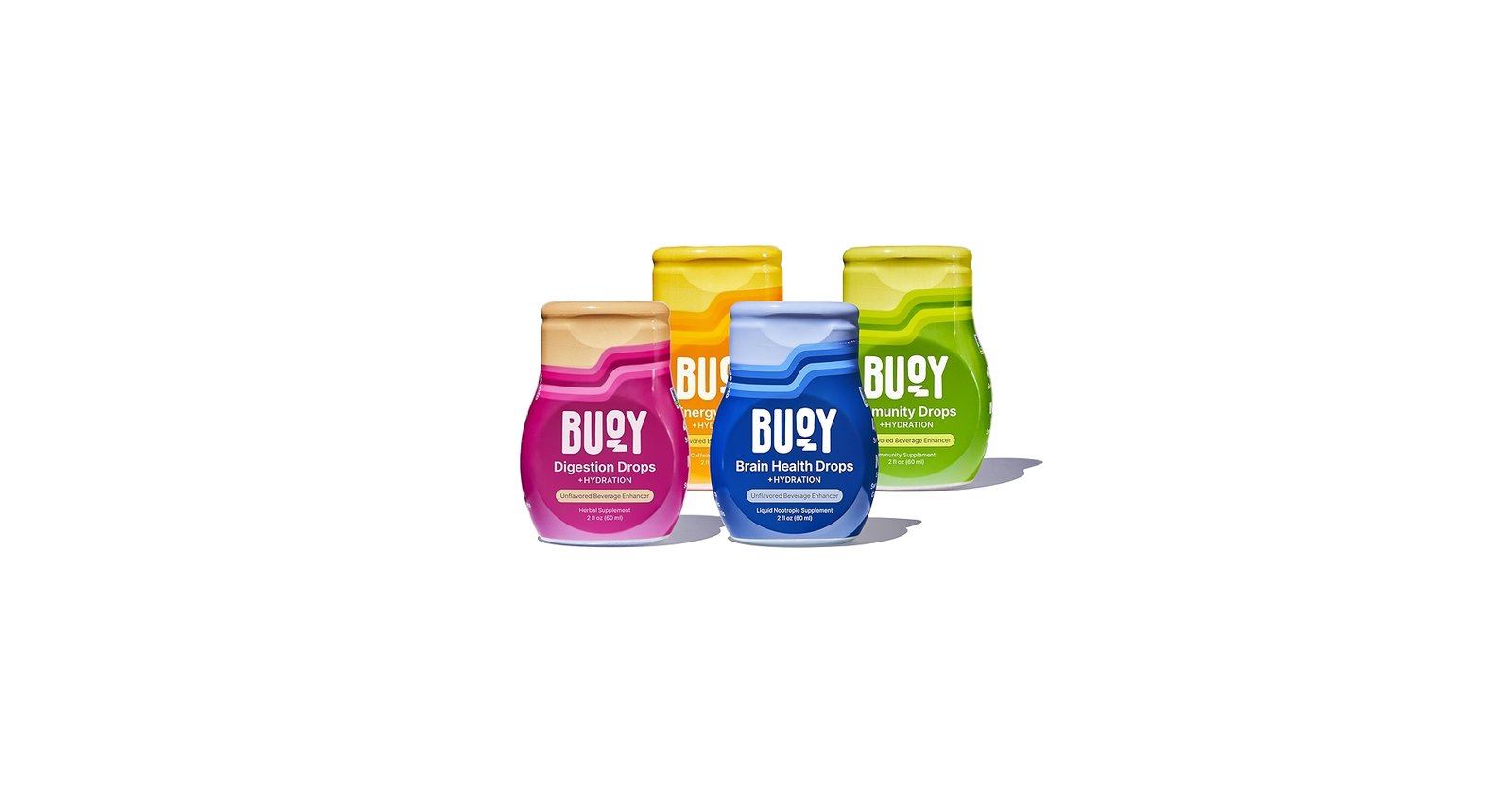
Someone in your gym bag, someone on your nightstand. Both promise to fix dehydration. Both have loyal fans who swear by them online.
But Buoy and Electrolit are fundamentally different products solving the same problem in completely opposite ways. And buying the wrong one doesn't just waste money it means you're drinking something that doesn't actually match what your body needs.
Let's break it down properly.
First, Who Are These Brands?
Before comparing ingredients and price, it helps to understand where each brand came from because that origin shapes everything about how they're formulated.
Buoy was launched in 2020 by three friends Eddie Zelenak, Daniel Schindler, and Cole Puchi. The idea was simple: most people are chronically underhydrated not because they don't drink water, but because water alone doesn't do the full job. Buoy's answer was an unflavored liquid drop you squeeze into whatever you're already drinking coffee, juice, a smoothie, plain water without changing the taste. No flavor system. No sweeteners. Just electrolytes.
Electrolit has a very different origin story. It was created in 1950 in Guadalajara, Mexico, by Grupo Pisa — one of Latin America's largest pharmaceutical companies. For decades, it was sold in Mexican hospitals and pharmacies as a medical rehydration solution for patients dealing with severe dehydration from illness or heat. It didn't enter the U.S. market until around 2014, where it repositioned itself as a sports and recovery beverage. That pharmaceutical DNA is still in the formula — it's why Electrolit feels closer to Pedialyte than Gatorade when you actually drink it.
Two very different starting points. That matters.
The Format Difference And Why It Matters More Than You Think
This is the biggest real-world difference between the two products, and most comparisons gloss over it.
Buoy is a drop. Electrolit is a drink.
Buoy comes in a small liquid bottle. You squeeze a few drops into your existing beverage. That's it. You can add it to morning coffee, iced tea, sparkling water, a protein shake — whatever you're already drinking. The formula is designed to be completely tasteless in normal quantities.
Electrolit comes in two formats: a ready-to-drink 21 oz bottle and a powder packet. Both are flavored. You're drinking a flavored electrolyte beverage, not adding to something else.
This format difference creates a real lifestyle split. If you already drink a lot of liquid throughout the day and want to upgrade your hydration without adding another drink to your routine, Buoy fits naturally. If you want a specific drink — something with flavor and a defined "hydration moment" — Electrolit makes more sense.
Neither is objectively better. They're solving the problem differently.
Ingredients: What's Actually Inside
Here's where things get specific. Let's look at the actual formulas.
Buoy Hydration Drops
Buoy's formula centers on ocean-derived electrolytes and what the brand calls 87+ trace minerals. The core electrolytes are sodium, potassium, and magnesium, sourced from sea salt and sea minerals rather than isolated pharmaceutical compounds.
Zero sugar. Zero sweeteners. Zero artificial flavors. Zero additives.
The manufacturer cites a study showing Buoy drops are 64% more hydrating than water alone and 49% more hydrating than a competing product — though it's worth noting this was a manufacturer-sponsored study, not independent third-party research.
One honest criticism that a registered dietitian flagged: Buoy is relatively light on total electrolyte content per serving, and the sodium-to-potassium ratio is imbalanced compared to what most hydration science recommends. You also need 4–5 servings per day to hit meaningful electrolyte levels, which adds up in cost.
Electrolit (Regular Formula)
The standard Electrolit bottle contains five electrolytes: sodium, potassium, magnesium, calcium, and chloride — plus sodium lactate, which helps support muscle pH during intense activity.
The sweetener is pharmaceutical-grade glucose (dextrose) — not corn syrup, not artificial sweetener, but actual glucose that your body uses quickly. This is actually functional, not just for taste. Glucose helps sodium and water absorb faster into cells through a co-transport mechanism. There's solid science behind this approach; it's the same principle used in WHO oral rehydration solutions.
A single serving delivers up to 500mg sodium, 200mg potassium, 60mg magnesium, 50mg calcium, and 40mg chloride. Those are meaningful numbers, especially the sodium, which is the electrolyte you lose most in sweat.
The regular formula does contain about 9g of sugar per bottle. Not a huge amount, but it's there.
Electrolit ZERO
For people who want zero sugar, Electrolit makes a ZERO line. Same electrolyte profile, no glucose, sweetened instead with stevia and sucralose. If artificial sweeteners bother you, that's worth knowing. The sucralose is a small amount, but it's present.
Head-to-Head: The Numbers That Matter
| Buoy Drops | Electrolit (Regular) | Electrolit ZERO | |
|---|---|---|---|
| Format | Liquid drops | Ready-to-drink | Ready-to-drink |
| Sugar | 0g | ~9g per bottle | 0g |
| Sweetener | None | Glucose (dextrose) | Stevia + Sucralose |
| Sodium | Low-moderate | Up to 500mg | Up to 500mg |
| Potassium | Moderate | Up to 200mg | Up to 200mg |
| Trace Minerals | 87+ | Core 5 electrolytes | Core 5 electrolytes |
| Flavored | No | Yes | Yes |
| Servings/Day Needed | 4–5 | 1 bottle | 1 bottle |
| Price Per Day | ~$1.30–$1.80 | ~$2.50–$3.00/bottle | ~$2.50–$3.00/bottle |
| Best For | Daily hydration support | Workout/recovery/hangover | Same, without sugar |
Price Breakdown: Which Is Actually Cheaper?
This is where people get surprised.
Buoy looks inexpensive upfront. A bottle of 60 servings runs around $25. But the brand recommends 4–5 drops per day for meaningful hydration support. At 5 drops daily, that's $1.30–$1.80 per day — competitive with other electrolyte supplements but not the budget pick it first appears to be.
Electrolit bottles retail at $2.50–$3.00 for a 21 oz bottle at Walmart, Target, and Costco. One bottle per day puts you at roughly the same cost as Buoy or slightly higher.
If you buy Electrolit in bulk at Costco, the per-bottle cost drops significantly. That changes the math in Electrolit's favor for heavy users.
Neither product is cheap. That's just the reality of quality electrolyte supplementation in 2025.
Taste and Daily Experience
This is subjective, but it matters because you have to actually use the product.
Buoy: Most users genuinely can't taste it. Mixed into coffee, the coffee tastes like coffee. Mixed into sparkling water, it tastes like sparkling water. Some people report a very slight mineral saltiness at higher doses, but it's minimal. This makes Buoy exceptionally easy to maintain as a daily habit — you're not adding something, you're just upgrading what you already drink.
Electrolit: The flavors are genuinely good. That's not marketing speak — the brand's Mexican pharmaceutical heritage shows up in the flavor development. Coconut, Strawberry-Kiwi, Blue Raspberry, and Fruit Punch are all solid. The regular version has a slightly thicker mouthfeel than most sports drinks because of the glucose content. The ZERO version is thinner and tastes more like a typical flavored electrolyte drink.
If you hate the taste of electrolyte drinks (that medicinal, slightly salty quality), Buoy sidesteps the problem entirely. If you like flavored drinks and want hydration built into a satisfying beverage experience, Electrolit delivers that better.
Who Should Buy Buoy
Buy Buoy if:
You're someone who already drinks a lot throughout the day — coffee in the morning, tea at lunch, water at the gym — and you want to add electrolytes to what you're already consuming without changing your routine.
It's also the right call if you're sugar-sensitive, following a low-carb or ketogenic diet, or simply want to avoid sweeteners entirely. Buoy has nothing artificial in it. That matters to a lot of people.
People managing chronic health conditions like POTS (postural orthostatic tachycardia syndrome) or dysautonomia often gravitate toward Buoy because they need ongoing low-dose electrolyte support throughout the day, not a single heavy hit.
The ocean-derived trace minerals are a genuine differentiator. Conventional electrolyte products give you five isolated minerals. Buoy gives you 87+ in their natural ratios from sea water. Whether that meaningfully changes outcomes is debated in nutritional science, but for people who care about whole-food mineral sources, Buoy aligns with that philosophy.
The honest caveat: You need to be consistent about 4–5 drops per day. If you're the kind of person who forgets supplements, Buoy may not deliver results because occasional use doesn't move the needle.
Who Should Buy Electrolit
Buy Electrolit if:
You're using this for specific recovery moments — after a long workout, when you're sick, after a night of drinking, during or after extreme heat exposure. Electrolit was literally built for acute rehydration. That pharmaceutical origin shows up in how fast it works.
The glucose in the regular formula isn't just filler. It's functional. When you've lost significant sodium through sweat or illness, glucose actually speeds up how fast sodium and water enter your cells. For post-workout or illness recovery, this matters. For sitting at a desk all day, it's less relevant.
Athletes, particularly those doing endurance sports or training in heat, get more value from Electrolit than from Buoy. The electrolyte numbers are higher per dose, the glucose provides quick energy, and the sodium content is substantial enough to replace what you actually lose in a real sweat session.
The ZERO version is the sweet spot for people who want the electrolyte formula without the sugar. It gives you the same 5-ion profile with no caloric cost — just be aware of the sucralose if that's something you monitor.
The honest caveat: If you're drinking Electrolit primarily because of the taste, you could end up consuming more sugar than you need. One bottle a day is fine. Two or three because you enjoy it starts adding up.
The Specific Scenarios: Which Wins?
Hangover recovery: Electrolit, by a clear margin. The high sodium and glucose combination is exactly what your liver and cells need after alcohol depletes them. Drink a full bottle before bed if you can, another in the morning.
Everyday hydration maintenance: Buoy. Adding drops to your morning coffee and water bottle throughout the day is a more sustainable daily habit than drinking an Electrolit bottle every single day.
Post-workout recovery: Electrolit for intense sessions. Buoy for moderate workouts where you want hydration support without the extra sugar.
Low-carb or keto diet: Buoy ZERO is the only real option. Electrolit's regular formula has glucose. The ZERO version works, but Buoy never had sugar to begin with.
Travel hydration: Both are highly portable, but Electrolit powder packets travel easier than Buoy liquid drops (less risk of leaking). For long flights, either works.
Kids or people with sensitive stomachs: Buoy. No sugar spikes, no sweeteners, and the drops are gentle on digestion.
The Verdict: Stop Looking for a Universal Winner
Here's the honest truth that most comparison articles avoid saying: there is no single winner in Buoy vs Electrolit, because they're not really competing for the same buyer.
If your goal is consistent daily hydration throughout the day, integrated seamlessly into your existing routine, with zero sugar and minimal additives, Buoy is the better match.
If your goal is rapid rehydration after intense physical activity, illness, travel, or a night out, Electrolit is the better match. The sodium content is higher, the glucose accelerates absorption, and the pharmaceutical background shows in acute recovery situations.
The people who get frustrated with Buoy are usually the ones who needed Electrolit — they wanted fast recovery hydration and didn't get enough from drop-dosing into coffee. The people who get frustrated with Electrolit are usually the ones who needed Buoy — they wanted clean daily hydration without sugar, flavors, or the commitment of finishing a full bottle every day.
Buy for your actual use case, not the better marketing.
FAQ
Can you use Buoy and Electrolit together? Yes. Some people use Buoy drops throughout the day for baseline hydration and reach for Electrolit specifically on heavy workout days or when recovering from illness. They don't conflict.
Is Electrolit safe to drink every day? The regular version is safe daily, but the sugar adds up if you're having multiple bottles. The ZERO version is better for daily use if sugar is a concern.
Does Buoy actually work, or is it just expensive water? The ocean mineral sourcing is real, and the 87+ trace minerals are genuine. The manufacturer's hydration study shows measurable results. But independent research on Buoy specifically is limited. It works for many people as part of consistent daily use.
Is Electrolit better than Pedialyte? Different formulas for slightly different purposes. Electrolit has higher sodium, making it better for athletic recovery. Pedialyte's sodium-to-glucose ratio is more specifically calibrated for illness rehydration. For most adults, Electrolit is more palatable.
Which is better for weight loss? Buoy has zero calories. Electrolit ZERO has zero calories. The regular Electrolit has roughly 40–50 calories per bottle, which is unlikely to impact weight significantly, but if calories matter to you, choose Buoy or Electrolit ZERO.