DJI Avata 360: Is It Worth It?
Drone footage has always forced a trade-off: fly precisely enough in the moment to frame the perfect shot, or accept that you'll miss it. DJI's answer, launched in March 2026, is its first-ever 360-degree drone a device that captures the entire sphere around it in 8K, letting you decide how to frame the shot after you've already landed. It's a genuinely new category for DJI, arriving specifically to compete with the drone that started it, Insta360's Antigravity A1.
We looked at the real specs, how it actually compares to that rival, and where the trade-offs show up, to see whether it's worth buying.
Quick Verdict
The DJI Avata 360 delivers on its core promise: genuinely sharp 8K60 360-degree footage that you can reframe however you want after flying, backed by DJI's mature ecosystem of controllers, goggles, and editing software. At a starting price well under its main rival, it's a legitimately affordable entry into a brand-new drone category. The trade-offs are real, though shorter battery life than its main competitor, a heavier build that puts it in registration territory in most regions, and a total cost that climbs quickly once you add the controller and goggles needed to actually use it well.
What Makes It Different
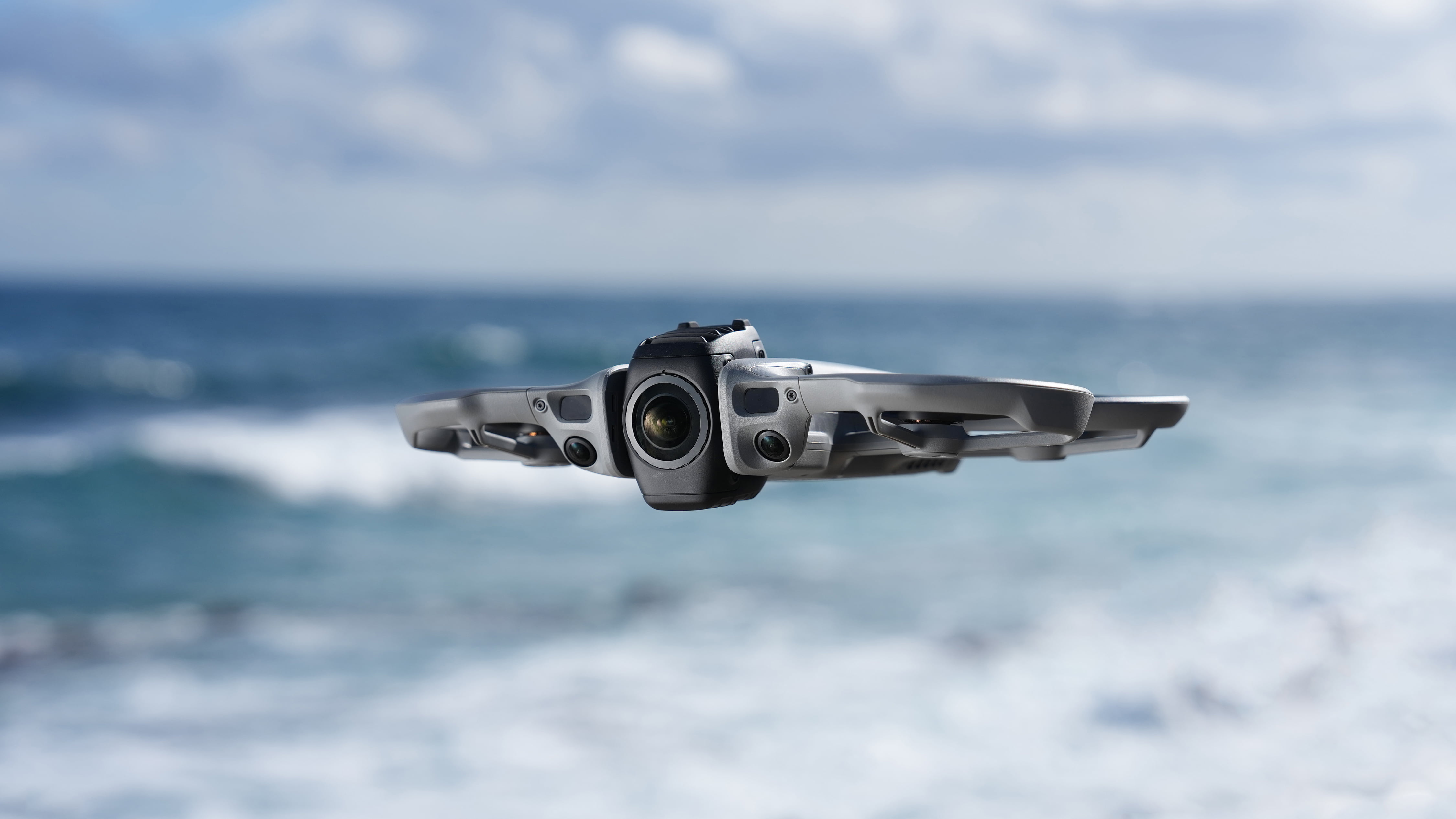
The Avata 360's core idea is simple but genuinely useful: instead of one camera pointed in one direction, it uses two large Sony sensors, each capturing a 180-degree field of view, combining into a full 360-degree sphere around the drone. That means you no longer need to nail your framing in real time while flying you can shoot first and decide the shot afterward in DJI's editing software, turning raw 360 footage into a conventional, precisely framed video.
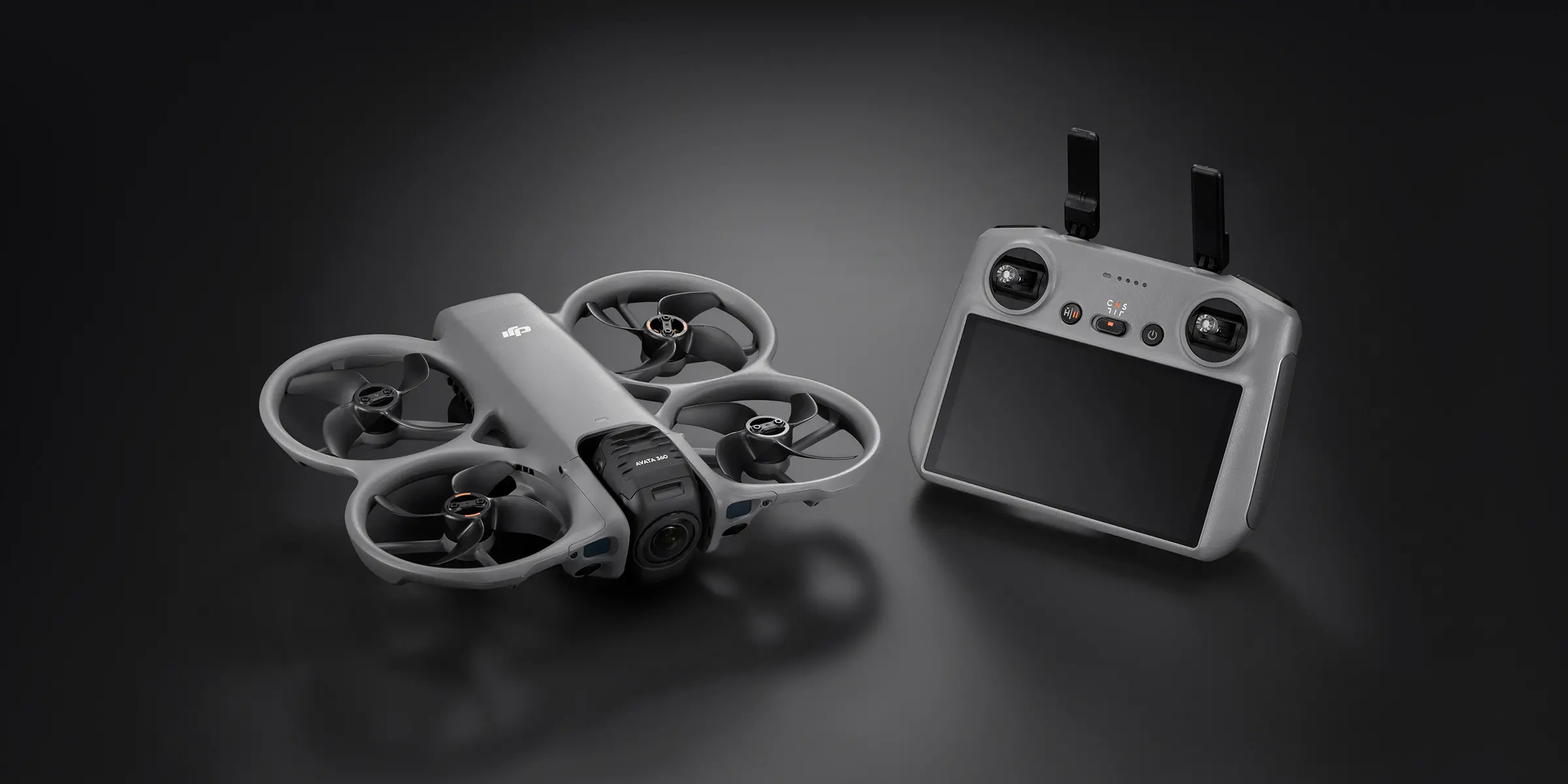
It's also genuinely flexible in how you fly it. The Avata 360 works either as an immersive FPV drone using DJI's Goggles 3 for that first-person, acrobatic flying feel, or as a standard camera drone using the RC 2 controller with its built-in screen no goggles required. That dual approach is a real advantage over rigid single-mode competitors.

Key Specs
| Spec | Detail |
|---|---|
| Price (drone only) | ~$479-530 |
| Price (RC 2 bundle) | ~$719 |
| Price (Fly More Combo) | ~$1,088 |
| Weight | 455g |
| Dimensions | 246 x 199 x 55.5mm |
| Sensors | Dual 1/1.1-inch, 64MP, 180° FOV each |
| Max video | 8K at 60fps |
| Color profile | 10-bit D-Log M |
| Transmission | DJI O4+, 20km FCC range |
| Rated flight time | ~23 minutes |
| Real-world flight time | ~18-20 minutes |
| Wind resistance | Level 5 |
One important note: DJI has stated the Avata 360 isn't officially sold in the United States through its own website. US buyers can generally still find it through third-party retailers like Amazon or B&H Photo.
DJI Avata 360 vs. Antigravity A1: How It Actually Compares
The Antigravity A1 was the original 360-degree drone and remains the Avata 360's closest competitor, so the comparison matters if you're deciding between the two:
| DJI Avata 360 | Antigravity A1 | |
|---|---|---|
| Starting price | ~$479-530 | ~$1,599 |
| Weight | 455g (registration required in most regions) | Under 250g (often exempt) |
| Sensor size | 1/1.1-inch (better low-light) | 1/1.28-inch (smaller) |
| Max video | 8K at 60fps | 8K at 30fps (5.2K at 60fps) |
| Battery life (real-world) | ~18-20 minutes | 30+ minutes |
| Wind resistance | Level 5 | Level 5 |
| Ecosystem | Full DJI (existing controllers, goggles, batteries work) | Requires proprietary hardware |
The honest takeaway: DJI wins decisively on price, image quality, frame rate, and ecosystem compatibility. The Antigravity A1 wins clearly on battery life and stays under the weight threshold that triggers drone registration in many countries which matters a lot if you fly casually and want to avoid that step entirely.
Real-World Performance: Pros and Cons
What reviewers consistently praise:
- Noticeably sharper 360 footage than the Antigravity A1 in side-by-side comparisons, largely thanks to the larger sensors
- Genuinely significant price advantage a usable kit costs meaningfully less than the A1's cheapest bundle
- Full compatibility with DJI's existing ecosystem, meaning current DJI users can buy just the drone and start flying with gear they already own
- Noticeably faster flight performance, particularly in Sport mode, compared to the A1
- 10-bit D-Log M color gives real flexibility for creators who color-grade footage afterward
Where it falls short:
- Real-world battery life lands around 18-20 minutes, noticeably short of the Antigravity A1's 30-plus minutes a real limitation for longer shoots
- At 455g, it's nearly double the A1's weight, putting it in drone registration territory in most regions rather than the grab-and-go, license-free category the A1 occupies
- No manual acrobatic flight mode for 360 capture at launch the 360 mode relies on self-leveling flight rather than full freestyle control, which matters if you specifically want aggressive acrobatic 360 footage
- The advertised low price is drone-only. A genuinely usable kit, with a controller and goggles, runs closer to $719-1,088 once you add the components most people will actually want
Which Bundle Should You Buy?
- Drone-only (~$479-530): Only makes sense if you already own a compatible DJI RC 2 controller or goggles from a previous drone
- RC 2 bundle (~$719): The most practical starting point for most new buyers gives you a screen-based controller without requiring FPV goggles
- Fly More Combo / Premium Combo (~$1,088-1,159): Adds goggles, motion controller, extra batteries, and a carrying case worth it if you're committing seriously to FPV-style flying
Who Should Buy the DJI Avata 360
Good fit if you:
- Want to get into 360-degree aerial footage without paying the Antigravity A1's much higher price
- Already own DJI controllers, goggles, or batteries from a previous drone
- Prioritize image quality and frame rate over maximum flight time
- Want the flexibility to fly with or without FPV goggles depending on the shot
Consider the Antigravity A1 instead if you:
- Long flight time matters more to you than top-tier image quality
- You want to avoid drone registration requirements where you live
- You want the lightest, most grab-and-go 360 drone option available
Frequently Asked Questions
What does "360-degree drone" actually mean? Instead of a single camera pointed in one direction, the Avata 360 uses two wide-angle sensors that together capture the full sphere around the drone. You can then reframe that footage into a normal, precisely composed video after you've landed, rather than needing to nail the framing while flying.
Is the DJI Avata 360 available in the US? DJI has stated it isn't sold officially through its US website, though it's generally available through third-party retailers like Amazon and B&H Photo.
How does the Avata 360 compare to the Antigravity A1? The Avata 360 offers sharper image quality, a higher frame rate, and a significantly lower price, along with compatibility with DJI's existing ecosystem. The Antigravity A1 offers longer real-world battery life and stays under the weight threshold that requires drone registration in many regions.
Do I need FPV goggles to fly the Avata 360? No. It can be flown either with DJI's Goggles 3 for an immersive FPV experience, or with the standard RC 2 controller and its built-in screen, without goggles at all.
The Bottom Line
The DJI Avata 360 makes a strong case as the more practical choice in the young 360-degree drone category sharper footage, faster performance, a significantly lower price, and full compatibility with DJI's existing ecosystem. The real trade-offs are shorter battery life and a weight that puts it in registration territory, both worth weighing against the Antigravity A1 if flight time or license-free flying matter more to you than image quality and price.